UK to deploy more troops to Norway over Putinâs Arctic threat
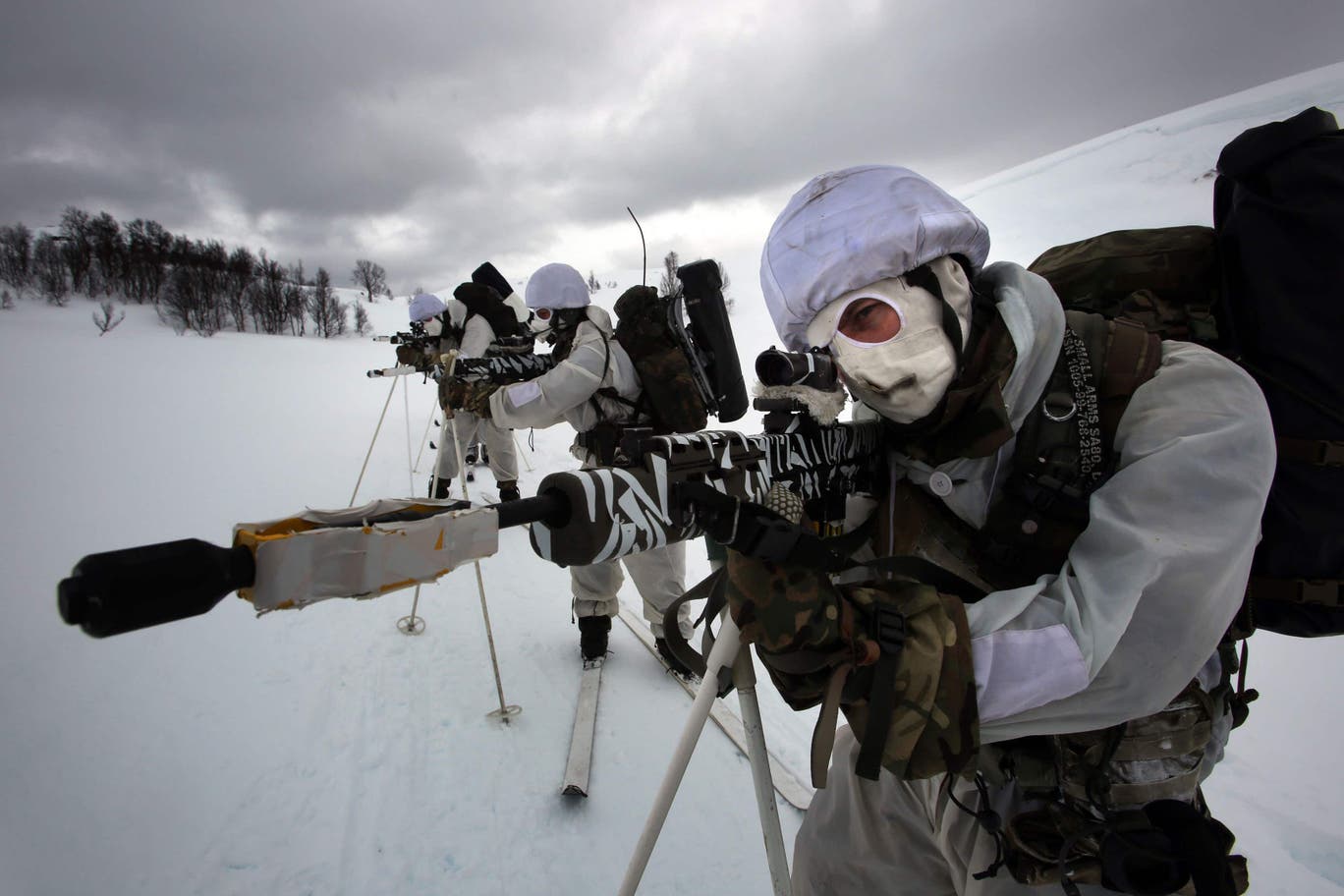
The number of British troops deployed to Norway will double as part of a move to strengthen defences in the High North amid growing tensions with Russia.
Defence Secretary John Healey confirmed the UK will increase its troop presence from 1,000 to 2,000 personnel over the next three years. He also pledged that British forces will take part in Nato’s Arctic Sentry mission, the alliance’s initiative aimed at reinforcing security in the Arctic region.
The announcement was made during Mr Healey’s visit to Royal Marines stationed at Camp Viking in the Norwegian Arctic. He is expected to discuss the proposals with Nato counterparts at the alliance’s headquarters in Brussels.
Mr Healey said: “Demands on defence are rising, and Russia poses the greatest threat to Arctic and High North security that we have seen since the Cold War.
“We see Putin rapidly re-establishing military presence in the region, including reopening old Cold War bases. The UK is stepping up to protect the Arctic and High North, doubling the number of troops we have in Norway and scaling up joint exercises with Nato allies.”
Around 1,500 British commandos are set to deploy to Norway in March for Nato’s Exercise Cold Response, designed to test allied forces in extreme winter conditions.
In September, the UK-led Joint Expeditionary Force will conduct large-scale exercises across the region, involving air, land and naval units training to defend critical infrastructure against attacks and sabotage.
The move comes as Nick Carter, the former head of the British armed forces, called for deeper European cooperation to counter Moscow and continue support for Ukraine. Writing in a paper for the Tony Blair Institute, he warned of an ongoing campaign of disruption linked to Russian intelligence services.
He said: “We’re all aware that Russia and the GRU at the tip of the spear, that’s Russia’s intelligence services, are waging a campaign of sabotage and subversion in Europe, including incursions into our Nato airspace.
“Now we’ve got to be able to impose credible costs on this campaign, because otherwise it will continue.”
Sir Nick argued that Europe must urgently strengthen its military capabilities after years of under-investment, warning that failure to act would leave the continent vulnerable in an increasingly unstable global order.
“Europe faces a growing external threat in an evolving world order at the same time as its political, fiscal and industrial systems are struggling to respond,” he said.
“After decades of under-investment in defence, this is no longer merely inefficient, it is dangerous. The path ahead for Europe’s leaders will not be easy; they cannot afford to fail. Drift is no longer a neutral option.”